A duplex is one building with two separate units on a single lot. For an investor deploying capital in Greater Houston, it is one of the cleanest ways to hold residential income property. You get two rent streams, one roof, one lot and one purchase. You also get a product that tenants understand and lenders know how to evaluate.
This guide explains why investors choose duplexes, how new construction compares with older buildings, what is specific to Houston, and how to read a deal. It ends with a worked example built from the current portfolio. Every figure in that example is an estimate. Verify the numbers independently, and consult your own tax, legal and financial advisors before you buy.
Why do investors choose duplexes?
Duplexes sit in a useful middle ground between a single-family rental and a larger apartment building. Four reasons come up repeatedly.
- Two units, one lot. Two tenants share the risk of vacancy. When one unit turns over, the other still pays rent.
- Residential financing. Residential loan programs generally cover properties of one to four units, so a duplex can often be financed like a home purchase rather than a commercial loan. Terms vary by lender, so confirm yours directly.
- Scale without complexity. One building to insure, inspect and maintain, with two leases to manage.
- Exit options. A duplex can be sold to another investor, or in some cases to an owner who lives in one unit and rents the other.
The trade-off is that you carry the full building cost of a duplex on one lot. If the roof, foundation or drainage fails, it affects both units. That is why the age and construction quality of the building matters so much.
Should you buy new construction or an older duplex?
This is the first real decision. An older duplex often looks cheaper per unit, and sometimes it is. But the sticker price hides costs that new construction mostly avoids.
What older duplexes can cost you
- Systems at end of life. Roofs, water heaters, HVAC equipment, plumbing and electrical systems all age. Replacing several in the same few years can erase a year of rent.
- Deferred maintenance. Prior owners may have skipped repairs. Foundation movement, water intrusion and drainage problems are common in older Gulf Coast properties and should be inspected carefully.
- Higher insurance exposure. Insurers price age, roof condition and construction type. Older buildings can be harder to insure at a reasonable cost. Get a quote before you make an offer.
- Surprises at turnover. Tenant turns reveal condition issues that were hidden while the unit was occupied.
What new construction changes
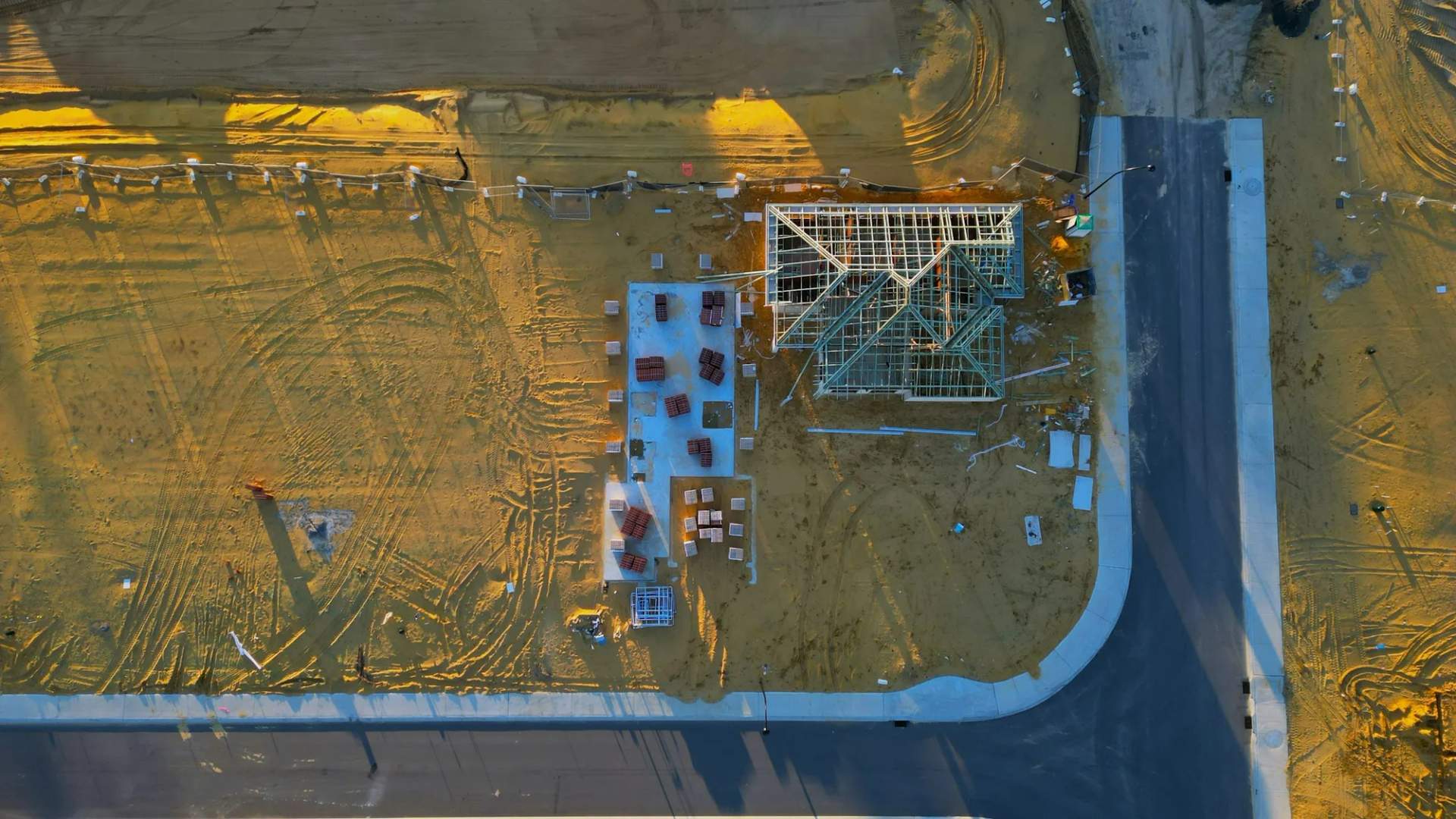
New construction brings modern systems, current building methods and a predictable maintenance profile in the early years. Rent estimates and insurance quotes are easier to build because the property has no history of repairs. Builders also typically offer a warranty on the structure, which you should read carefully. You still inspect a new building. Quality varies between builders, and you want an independent inspector looking at framing, drainage, grading and finish work.
The cost of new construction is timing. A property that is not finished has a delivery date, and a delivery date can move. Pre-sale and under-construction purchases need a clear contract, a realistic schedule and a plan for what happens if completion slips. See the new construction investments in Houston page for how Marques approaches this.
What is different about investing in Houston?
Houston is not an ordinary city for property rules. Four topics deserve your attention before you offer on any duplex.
How do deed restrictions and lot rules apply?
Houston is well known for not having conventional zoning. That does not mean anything can be built anywhere. Land use is shaped instead by deed restrictions, which are private covenants recorded against the land, and by city ordinances on platting, lot size, setbacks and similar rules. A deed restriction can prohibit duplexes outright or limit a lot to single-family use. Always confirm what the recorded restrictions allow, and check how the lot was platted. The City of Houston planning department is the authority for city rules, and a title company can help you find recorded restrictions. Rules differ for property outside the city limits, so confirm the jurisdiction too.
How do property taxes and protests work?
Texas has no personal income tax, but property taxes carry much of the load, and they are a major operating expense for a rental. Your tax bill depends on the appraised value and the combined rate of every taxing unit that covers the property. In Harris County, the Harris County Appraisal District sets appraised values. Owners have the right to protest an appraisal, and the district publishes the process and deadlines each year. Check the current deadline on the district's site rather than relying on a date from an article.
Underwrite on the purchase price, not on the seller's current tax bill. After a sale, the next appraisal can move toward the price you paid. The current portfolio uses estimated tax rates of 2.12% to 2.13%, as supplied by sellers and builders. Treat those as estimates and confirm them for any property you consider.
How do you check flood risk?
Flood exposure is a real part of Houston underwriting. Start with the FEMA Flood Map Service Center to see the mapped flood zone for the address. Then go further. Ask the seller about flood history. Review the lot's drainage and elevation. Ask your insurer whether flood coverage is required or recommended. A mapped zone is a data point, not a guarantee in either direction.
What should you expect from insurance?
Get a written quote for the specific property before you commit. Ask what is covered, what the deductibles are, and whether wind and hail carry a separate deductible. Insurance is a cost you can quote, so there is no reason to guess at it. The Texas Department of Insurance publishes consumer information on coverage and your options.
How do you read a duplex deal?
Three return measures show up in almost every investor conversation. They answer different questions, and mixing them up is a common mistake.
- Gross yield: annual rent divided by purchase price. It is a first screen. It ignores every expense, so it always flatters the property.
- Cap rate: net operating income divided by purchase price. Net operating income is rent after vacancy and operating expenses, before financing. Cap rate lets you compare properties without regard to how each is financed.
- Cash-on-cash return: annual cash flow after debt service divided by the cash you actually invested. It depends on your financing, so it is personal to your deal.
What expenses belong in the model?
- Vacancy: model some, even with leases in place. Units turn over.
- Property taxes: on the purchase price, at the combined local rate.
- Insurance: from a real quote.
- Management: include it even if you plan to self-manage, because your time has a value and your plans can change.
- Maintenance and reserves: a standing allowance for repairs and for large items such as the roof and HVAC equipment.
- Utilities and other costs: whatever the owner pays under the lease terms, such as water or lawn care.
You can run your own inputs through the rental property calculator and compare the result against what a seller shows you.
What does a worked example look like?
Take a duplex from the current portfolio. It is a new construction duplex in Houston priced at $470,000, with two units of 3 bedrooms and 2.5 baths, about 1,300 square feet each. The estimated combined rent for both units is $4,730 a month. All figures below are estimates. The rent, tax rate and insurance figure come from the seller and builder. The vacancy, management, maintenance and loan assumptions are illustrative, chosen for this example only, and are not predictions.
| Line | Estimate | How it is figured |
|---|---|---|
| Purchase price | $470,000 | Portfolio price |
| Gross annual rent | $56,760 | $4,730 a month times 12 |
| Gross yield | 12.1% | $56,760 divided by $470,000, before expenses |
| Vacancy allowance | $2,838 | Illustrative 5% of gross rent |
| Property taxes | $9,964 | Estimated 2.12% rate on the price |
| Insurance | $2,604 | Estimated $217 a month |
| Management | $4,314 | Illustrative 8% of collected rent |
| Maintenance and reserves | $2,838 | Illustrative 5% of gross rent |
| Net operating income | $34,202 | Collected rent minus the four expense lines |
| Cap rate | 7.3% | $34,202 divided by $470,000 |
The lesson is the gap. A 12.1% gross yield becomes a cap rate of about 7.3% once you account for vacancy and the costs of owning the building. That is not a flaw in the property. It is the normal distance between a gross number and a net number, and it is why you should never compare a gross yield from one seller to a cap rate from another.
Now add financing. Assume, for illustration only, a 25% down payment of $117,500 and a 30-year loan of $352,500 at a 7% rate. Annual principal and interest would be roughly $28,100. That leaves about $6,100 of annual cash flow, or a cash-on-cash return near 5.2% on the down payment, before closing costs. Change the rate, the down payment or the expense assumptions and the answer changes. That sensitivity is the point of running the model yourself.
What reserves and risks should you plan for?
Even a new duplex needs a reserve. Hold cash for vacancy between tenants, for repairs the warranty does not cover, and for the day an appliance or HVAC component fails. Many investors set aside several months of expenses before they close, not after.
Think also about concentration. One duplex on one lot is one location, one builder and one insurance policy. Investors deploying more capital often spread across lots, streets or submarkets, and sometimes across states. If you are looking at a larger allocation, the multifamily and commercial investments page covers the step up from duplexes.
Finally, understand the lease position. A unit with a signed lease has a known rent through the lease end date. A unit taking applications or pre-leasing has an estimated rent that is not yet proven. Both can be good investments, but they are different risks, and you should price them differently.
How does Marques help with Houston duplexes?
Marques Freeman is a Houston-based Realtor with Nan & Co. Properties, licensed in Texas and Florida. His work centers on off-market opportunities, new construction and builder services. For Houston duplex investors, that means private access to new construction duplexes sourced from builders, with the numbers shown in the open and the full address and pro forma released to qualified investors on request.
The current portfolio is eight new construction properties in Houston. Prices range from $440,000 to $2,130,000, and estimated gross yields run from 12.0% to 13.1% before expenses. These are estimates supplied by sellers and builders. Browse the duplexes for sale in Houston page, learn how duplex development works from the builder side, or read how off-market deals work before you request details.
When you are ready, start with the investor page or contact Marques. Share your buy box, your capital range and your timeline, and he will match what fits.
Sources
The public references behind this guide.
This article is general information, not financial, tax or legal advice. Rules and costs change; verify every figure independently and consult your own tax, legal and financial advisors before acting. All figures are estimates supplied by sellers and builders, are not guaranteed and may change without notice. Nothing on this site is financial, tax or legal advice. Buyers should independently verify all information before purchasing.

About the author
Marques Freeman is a Houston-based luxury Realtor with Nan & Co. Properties, licensed in Texas and Florida, specializing in off-market opportunities, new construction and builder services.