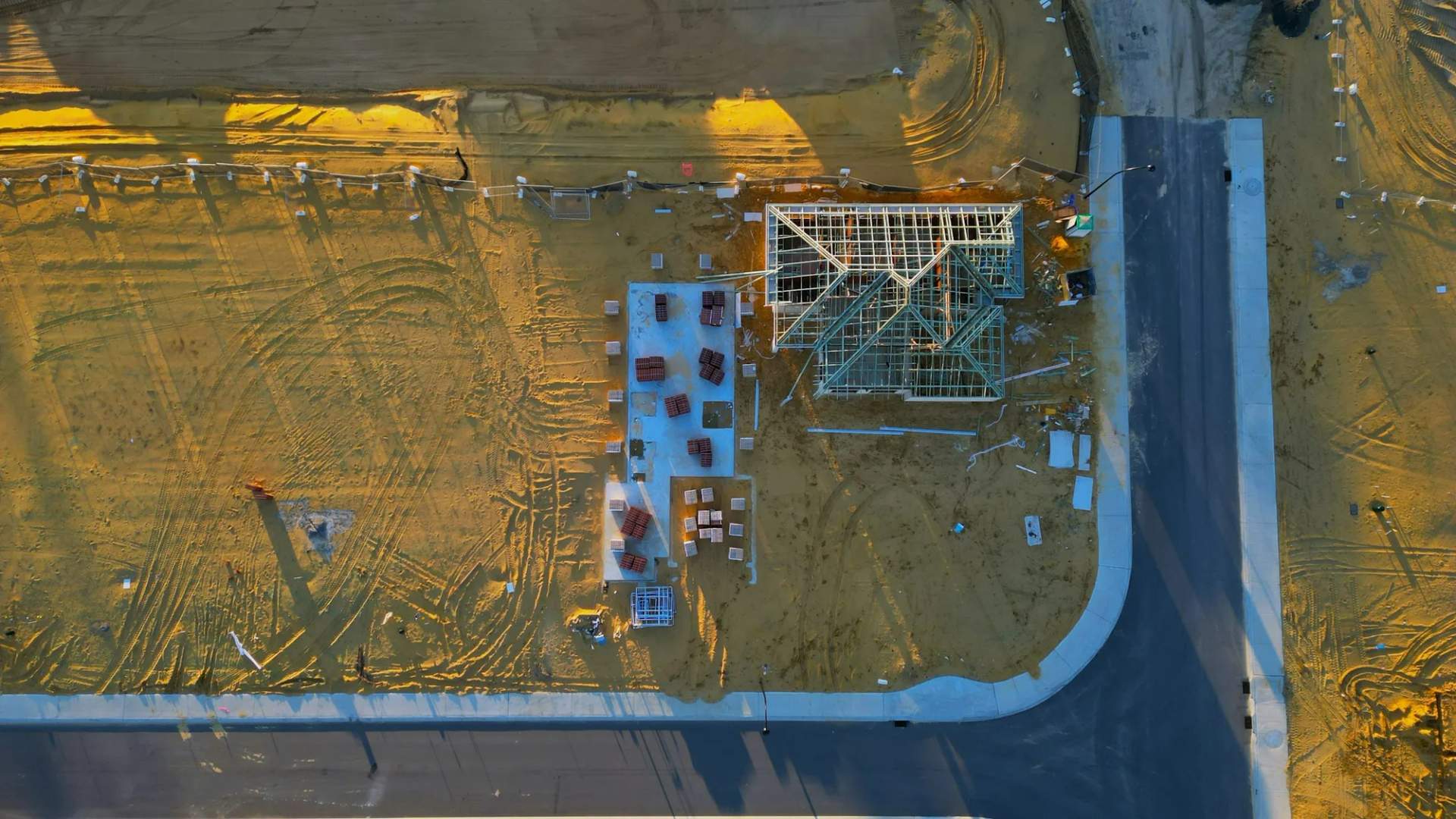
For a builder in Houston, the lot is the first decision and often the most expensive mistake. A lot that looks right on a listing can fail on platting, drainage, utilities or deed restrictions. A lot that passes feasibility can still fail if you cannot sell the finished product at the price your pro forma needs.
This guide is written for builders. It covers what makes an infill lot buildable for duplex or townhome product, how Houston's rules shape the work in general terms, how to structure an acquisition, and how to pair lot purchases with a ready investor buyer pool. It is general information, not legal or engineering advice. Confirm every rule with the relevant authority and your own attorney, engineer and surveyor.
What makes an infill lot buildable for duplex or townhome product?
Buildable means more than vacant. For duplex or townhome product, a lot has to clear a series of tests, and failing any one of them can end the project.
- Legal use. Deed restrictions must permit the product. A restriction that limits a lot to single-family use can rule out a duplex regardless of how the city treats it.
- Lot size and shape. The lot must meet the minimum size and width that the applicable platting rules and your plan require, with room for setbacks, parking and drainage.
- Access. The lot needs legal frontage on a public street or a recorded access easement.
- Utilities. Water, wastewater, electric and gas must be available, and at a connection cost that fits your budget.
- Drainage. Water has to leave the site without harming neighbors, and the site cannot sit in a spot where finished floors are exposed to repeated flooding.
- Market fit. The location must support the rent or sale price your product needs.
Infill lots are attractive because they sit in established areas with existing streets and services. They are also more demanding. Older plats, odd lot shapes, aging infrastructure and neighbors who are watching all add risk. Price that risk into the land before you commit.
How do Houston's subdivision and lot size rules affect you?
Houston is known for having no conventional zoning. Instead of a zoning map that assigns uses, the city relies on platting and subdivision rules, ordinances covering things like lot size and setbacks, and private deed restrictions. For a builder, that shifts the question from what is the zoning to what do the plat, the recorded restrictions and the ordinances allow.
In general terms, the city regulates how land is subdivided and how lots must be configured, and some neighborhoods have adopted minimum lot size or building line protections that limit how a lot can be divided or where a structure can sit. These rules change, and exceptions exist. The City of Houston planning department is the source of record. Ask it, or a land use attorney or surveyor who works in the city, how the rules apply to the specific lot in front of you.
When does replatting come into play?
Replatting changes how an existing subdivision is divided. A builder might replat to split one large lot into two, combine small lots into one buildable parcel, or reconfigure lot lines to fit a townhome layout. Replatting takes time and requires an application and approvals, so it belongs in your feasibility timeline. Some replats are routine. Others draw objections, especially where neighbors rely on deed restrictions. Do not assume approval, and do not close before you understand the path.
How do deed restrictions change the picture?
Deed restrictions are recorded covenants that bind the land. They can limit use to single-family homes, set minimum square footage, control setbacks and fences, and establish who can enforce the rules. They run with the land, so they apply to you even if you never read them. Order the recorded restrictions during feasibility and have counsel review them. A restriction problem found after closing is a land loss. A restriction problem found during feasibility is a cheap walk away.
What feasibility items should you clear before closing?
Feasibility is the period when you can still walk away. Use it to answer a defined list of questions.
- Title. Get a title commitment. Look for liens, easements, encroachments, unreleased prior interests and any restrictions on the property. Resolve or price what you find.
- Survey. Order a current boundary and topographic survey. It shows the true lot dimensions, easements, encroachments and elevation, all of which affect your plan.
- Utilities. Confirm water and wastewater availability, tap locations and any impact fees or extension costs. Confirm electric and gas service as well.
- Drainage and detention. Have an engineer assess how water leaves the site. Depending on the project, the city or the county may require detention or other drainage measures. Budget for them, in both cost and lost buildable area.
- Flood exposure. Check the mapped flood zone on the FEMA Flood Map Service Center, and ask local engineers and neighbors about actual flooding history. Finished floor elevation and insurance cost depend on it.
- Environmental review. Order at least a Phase I environmental site assessment on lots with any commercial, industrial or fill history. Contamination found after closing becomes your problem.
- Soils. Geotechnical information drives foundation design and cost. Houston soils vary, so do not skip this.
- Permitting path. Talk to the city early about what permits and plan reviews your product requires, and how long they take.
Is a lot inside the city, in a MUD, or in the ETJ?
Location relative to jurisdiction changes your costs and your rules. Three situations are common around Houston.
- Inside the City of Houston. City platting, permitting and infrastructure rules apply. Services are generally in place for infill lots, but older infrastructure may limit capacity.
- In a municipal utility district (MUD). A MUD is a special district that provides water, wastewater and drainage and funds them through its own taxes and fees. A MUD can mean serviced land, and it also adds a tax line your end buyer will see. Underwrite the combined tax rate, not just the city and county rate.
- In the extraterritorial jurisdiction (ETJ). Land in the ETJ sits outside the city limits but within the city's planning reach. Rules for subdivision may still apply, while other city regulations may not. Confirm which authority governs the lot.
Taxes matter more than builders sometimes expect, because your buyer is often an investor who underwrites the full tax rate. A lot in a MUD may carry a higher combined rate than one inside the city. That does not make it a bad lot. It means your pricing and your investor's pro forma must reflect it. The Harris County Appraisal District publishes property and jurisdiction information that helps you check.
How do option periods and takedown schedules work?
How you buy matters as much as what you buy. The structure decides how much capital you tie up, and for how long, before you earn anything. Here are the general forms. Terms are negotiated and vary by deal, so have your attorney draft and review any of them.
Feasibility periods
A feasibility or due diligence period is a window after you sign a contract during which you can terminate and recover your deposit, usually less a small portion that the seller keeps for tying up the property. Longer periods cost more or require a larger non-refundable amount. Match the length to the work you need. Replatting questions, environmental review and utility confirmation may all need more time than a simple infill lot.
Takedown schedules
When you are buying several lots, a takedown schedule lets you close on them in phases rather than all at once. You pay for each lot as it is taken down, which keeps your capital working and limits exposure to the whole position. The seller wants a firm schedule and a deposit large enough to protect against a buyer who walks away from later phases. Negotiate the consequences of missing a date before you sign.
Option structures
An option gives you the right, not the obligation, to buy at a set price within a set time, in exchange for option money. It limits your downside to that money. In return, the seller expects to be paid for holding the lot off the market, and may ask for a higher price. Options suit lots that need entitlement work, replatting or a long approval path, where you do not want to own the land until the path is clear.
Whichever structure you use, build your exit into the contract. Know what you can recover, what you forfeit and what each party must deliver, and when.
How do you pair lot acquisition with buyers for finished inventory?
Acquiring the lot solves half the problem. The other half is selling what you build. Retail buyers take time, and carrying costs run the whole while. For duplex and townhome product, there is a second buyer pool that many builders underuse: investors who want new construction rental property and can close quickly.
An investor buyer evaluates your product on rent, taxes, insurance, delivery date and gross yield. That is a different conversation from retail, and it rewards a builder who can show clean numbers. When you bring a lot to feasibility, it helps to know in advance whether a ready buyer pool will want the finished product, at what price range, and with what lease expectations. That knowledge informs what you pay for the land.
This pairing is what Marques Freeman offers builders. He identifies and acquires development-ready lots, including infill lots suited to duplex and townhome construction. He also connects builders' pre-sale and finished inventory with a qualified investor buyer pool in Houston and Central Florida. You can read the full scope on the builder lot acquisition page, the land acquisition page and the development hub.
What does a builder's pipeline look like with a ready buyer pool?
Consider the sequence from the builder's side. You identify an infill lot. You run feasibility on title, survey, utilities, drainage and restrictions. You agree on a structure with the seller. You build. As the delivery date approaches, qualified investors are already reviewing the numbers, rather than you starting a marketing process on the day of completion.
Investors can only move quickly if they have the right information. Marques shows opportunities with price, rent, gross yield, lease status, completion date, an estimated tax rate and an insurance estimate, and releases the full address and pro forma to qualified investors on request. The current investor-side portfolio is eight new construction properties in Houston, which shows the kind of product that this buyer pool evaluates. They are priced from $440,000 to $2,130,000, with estimated gross yields of 12.0% to 13.1% before expenses. Those are estimates supplied by sellers and builders.
Builders who understand how investors read a deal build a better product for them. Rent comparables, tax rate, insurance cost and flood status are all things your location and design affect. You can see how that buyer thinks in the Houston duplex investing guide, and in the explanation of how off-market deals work.
How do you start a builder partnership?
Begin with a clear description of what you need. Tell Marques your target product, your lot size and price range, your preferred submarkets, your current inventory and your timeline. Your needs can include lots, a buyer pool for finished units, or both. The builders page has an intake form for exactly this.
Nothing here is legal, engineering, tax or financial advice. Rules and fees change, and every lot is different. Verify all figures independently with the City of Houston and the relevant county, and consult your own attorney, engineer, surveyor and tax advisor before you commit to a purchase. When you are ready to talk, contact Marques.
Sources
The public references behind this guide.
This article is general information, not financial, tax or legal advice. Rules and costs change; verify every figure independently and consult your own tax, legal and financial advisors before acting. All figures are estimates supplied by sellers and builders, are not guaranteed and may change without notice. Nothing on this site is financial, tax or legal advice. Buyers should independently verify all information before purchasing.

About the author
Marques Freeman is a Houston-based luxury Realtor with Nan & Co. Properties, licensed in Texas and Florida, specializing in off-market opportunities, new construction and builder services.